


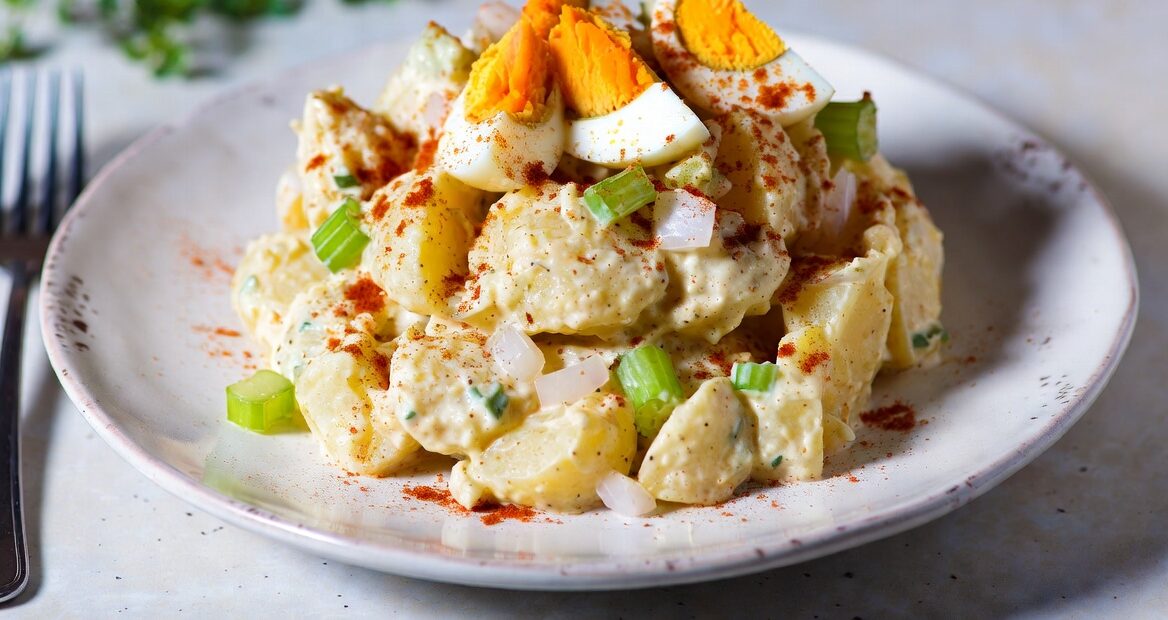
A Reliable Side for Every Table

You know the moment. You’re scanning a potluck table or a holiday spread, trying to build a plate that won’t let you down. There are exciting dishes, sure, but there’s always one bowl that feels like a safe bet: potato salad.
“The indispensable potato salad” isn’t about being fancy. It’s the dish that shows up to cookouts, brunches, and weeknight leftovers, and it still makes sense next to almost anything. It feeds a lot of people, it doesn’t cost much, and it gets better after a rest in the fridge.
This guide gives you a simple blueprint for making potato salad that tastes seasoned, stays creamy (not watery), and holds its shape. You’ll also get easy swaps for different tastes and diets, without turning it into something unrecognizable.
What makes potato salad truly indispensable
Potato salad earns its spot because it solves real hosting problems. First, it’s make-ahead friendly. When you’re juggling the grill, the oven, and guests who keep “helping” in the kitchen, a cold side dish that’s already done feels like a gift to your future self. Even better, potato salad improves with time. The flavors settle, the dressing soaks in, and the whole bowl tastes more like one cohesive dish.
It’s also budget-friendly in a way that doesn’t feel sad. Potatoes cost less than most side dish bases, and you can build richness with simple add-ins like eggs, mayo, and a spoonful of mustard. When money is tight but you still want the table to feel generous, potato salad quietly carries the load.
Then there’s comfort. Potato salad has that familiar, slightly nostalgic pull, like a favorite sweatshirt. Yet it can still feel “special” when you get the details right, tender potatoes, a punch of tang, and a bit of crunch from celery or onion. That balance is why it works in summer, but also at spring gatherings and even winter holiday meals.
Finally, it’s flexible. You can keep it classic and creamy, or push it in a sharper, more herby direction. Either way, it stays recognizable, which matters when you’re feeding a group. People like knowing what they’re getting, especially at a buffet table.
Potato salad is dependable because it’s make-ahead, affordable, and easy to adapt without confusing anyone.
It fits almost any menu, from BBQ to brunch
Potato salad plays well with smoky, salty, and crispy mains. Put it next to burgers, ribs, pulled pork, or fried chicken and it cools the plate down. Pair it with sandwiches, wraps, or a veggie tray and it turns lunch into something that feels like a real meal. At brunch, it’s surprisingly good with eggs, especially alongside ham, bacon, or roasted vegetables.
Flavor can shift based on what you serve. A tangy, pickle-forward salad matches rich BBQ. A creamy, egg-heavy version fits fried foods. A brighter, herby bowl works with grilled veggies and lighter mains.
One fast tip makes a big difference: taste your dressing with a bite of potato, not on a spoon. Dressing alone can seem strong, then go flat once it hits bland starch. Testing it “in context” keeps you from under-seasoning.
It stretches a meal without feeling cheap
Potatoes, eggs, and a simple dressing feed a crowd, and nobody feels like they got the “filler” side. The bowl looks generous, and it holds well on a serving table.
For scaling, a good rule is 1/2 to 3/4 pound of potatoes per person as a side. If potato salad is the main side dish (or you’re feeding big appetites), move closer to 3/4 pound. That sounds like a lot until you remember peeling, trimming, and the fact that people go back for seconds.
Chilling also helps hosts. You can make it earlier, taste it later, then adjust seasoning before guests arrive. That second taste is often the difference between “fine” and “please send me the recipe.”
The simple blueprint for a potato salad people remember
A memorable potato salad isn’t about secret ingredients. It’s about small choices that protect texture and flavor. Follow this blueprint and you’ll avoid the usual problems: watery bowls, bland bites, and potatoes that turn gummy.
Start with potatoes that hold their shape. Cook them gently, not violently. Drain them well and let them dry. Season them while warm so they absorb flavor. Then build a dressing with balance, creamy, tangy, and salty, and fold it in without smashing everything.

Keep your ingredient list familiar and pantry-friendly: potatoes, mayo, mustard, pickles or relish, vinegar, salt, pepper, celery, onion, and eggs. Paprika is optional, but it adds a warm note and a little color.
Plan for time. Even two hours in the fridge helps. Overnight is even better, because the potato salad stops tasting like separate parts and starts tasting like one dish.
Choose the right potatoes and cook them the smart way
Waxy potatoes (like Yukon Gold or red potatoes) hold their shape and stay creamy without turning to paste. Starchy potatoes (like russets) can taste great, but they break down faster and can turn fluffy or mushy if you’re not careful. For most home cooks, Yukon Gold or red potatoes are the easiest win.

Here’s the smart cooking method:
Start potatoes in cold, well-salted water. This helps them cook evenly. Next, bring the pot up to a gentle simmer. Don’t hard boil, because the outside can fall apart before the center softens. Then test for doneness by sliding in a knife. It should go in easily, but with slight resistance. If it falls through like butter, you’re on the edge of mash territory.
After draining, let the potatoes sit in the colander for a few minutes so steam can escape. That “steam-dry” step keeps your salad from getting watery.
Now the pro move: season while the potatoes are warm. Sprinkle salt, then add a splash of vinegar or pickle brine. Warm potatoes absorb seasoning like a sponge. Cold potatoes don’t.
Build the dressing, then fold gently for the best texture
A classic potato salad dressing is simple: mayo for creaminess, mustard for bite, and pickles for tang. Start with mayo, then stir in a little yellow or Dijon mustard. Add chopped pickles or relish, plus a small splash of vinegar (or pickle brine if you like that flavor). Season with salt and pepper. If you want a familiar potluck finish, add a pinch of paprika. (if you like mayonnaise, you may like this chicken salad)
Crunch matters, too. Mix in chopped celery and a bit of onion (or scallions if you want it milder). Finally, add chopped hard-boiled eggs for richness and that classic texture.

Fold the dressing into the potatoes gently. Use a spatula and slow turns. If you stir hard, the potatoes break and the bowl turns heavy.
Chill the finished salad for at least 2 hours. That rest time lets flavors settle and thickens the texture.
Quick fixes that save the bowl:
- If it’s too dry, add a spoonful of mayo or a small splash of milk.
- If it’s too wet, fold in more chilled potatoes, or add another chopped egg.
- If it’s bland, add salt and a small touch of acid (vinegar or pickle brine).
Make it your own without losing what people love
Customization works best when it stays inside the “potato salad comfort zone.” In other words, keep the core the same (potatoes, creamy or tangy dressing, a little crunch), then change one or two notes.
Also think about your crowd. Some people love sharp raw onion, while others don’t. In that case, use scallions or soak chopped onion in cold water for 10 minutes, then drain well. (If you enjoy the unique flavor of onions, we recommend this vegetable focaccia. See the recipe here.) If you want a lighter feel, replace part of the mayo with plain Greek yogurt, but keep some mayo for that familiar taste.
The goal is still “indispensable.” It should fit the table, not start a debate.
Easy flavor twists that still feel crowd-friendly
Small tweaks can make your potato salad feel new, while still being recognizable:
- Dill and lemon: Add chopped dill and lemon zest, reduce relish a bit so it doesn’t compete.
- Bacon and chives: Add crispy bacon and chives, reduce salt slightly because bacon brings plenty.
- Spicy and punchy: Add diced jalapeño and a dash of hot sauce, reduce mustard so heat doesn’t stack.
- German-style nod: Add a little warm vinegar and a touch of sugar, reduce mayo so it stays bright.
- Ranch-inspired: Add dried dill and parsley (or a spoon of ranch seasoning), reduce added vinegar to avoid sharpness.
- Sweet and tangy: Add extra relish, reduce any added sugar or sweet pickle brine.

Potluck-proof planning, plus safe storage and leftovers
Potato salad tastes best made the night before. If that’s not possible, make it at least 2 to 4 hours ahead so it can chill and settle.
For serving, keep it cold. Transport it in a cooler, and if it’ll sit out, nest the bowl in a larger bowl of ice. Don’t let it linger at room temperature. When in doubt, refresh the bowl with a clean spoon and move it back to the cooler.
Store leftovers promptly in an airtight container. Potato salad keeps well for 3 to 4 days in the fridge. Freezing isn’t worth it, because the texture turns grainy and watery after thawing.
Leftover idea: scoop it over greens for a quick lunch bowl, or wrap it in a tortilla with extra crunch from lettuce.
The indispensable potato salad earns its place because it’s flexible, affordable, and easy to make ahead. With the right potatoes, gentle cooking, and seasoning while warm, the whole bowl tastes more alive. After that, chilling time does the rest.
Next time, keep it simple: choose Yukon Gold or reds, add a splash of vinegar or pickle brine while the potatoes are warm, then chill before serving. When you’re ready, add one small twist and call it yours. What’s your family’s must-have add-in for potato salad, pickles, mustard, herbs, or something unexpected?