


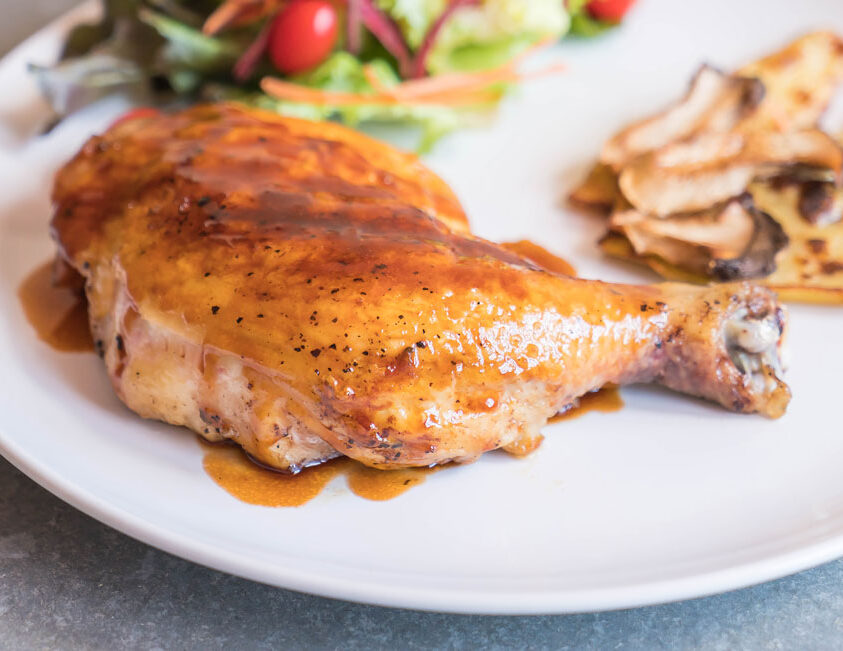
[Step-by-Step Guide for Juicy, Flavorful Results]

Chicken thighs have earned their spot in kitchens for a good reason. They offer richer flavor and stay juicy longer than many other cuts of chicken. Whether you’re roasting, grilling, or pan-searing, this cut holds up well and absorbs spices beautifully. This recipe will walk you through making tender, tasty chicken thighs that work for everyday dinners or special occasions.
Choosing the Right Chicken Thighs for Your Recipe
Picking the right type of chicken thighs can make a big difference in your dish. Different cuts not only affect the cooking time but also influence flavor and texture. Here’s a quick guide to help you find the perfect fit for your recipe.
Bone-In vs. Boneless Chicken Thighs
Bone-in thighs come with the bone still attached, which helps keep the meat juicy and adds a deeper flavor. They take a bit longer to cook because the heat needs to work around the bone, but they’re perfect for slow roasting or braising recipes that benefit from that extra richness.
Boneless thighs, on the other hand, cook faster and are easier to cut and eat. They’re great when you want to get dinner on the table quickly or slice the meat for salads, sandwiches, or stir-fries. While they may not pack quite as much flavor as bone-in, they soak up marinades and spices well.
Skin-On vs. Skinless Chicken Thighs
The skin is where a lot of the magic happens. When cooked properly, skin crisps up to add a wonderful texture and locks in juices, keeping the meat tender. Skin-on thighs are ideal if you want crispy results from roasting or pan-searing.
Skinless thighs cook a little faster and are leaner, making them a good choice if you want to reduce fat but still enjoy flavorful meat. Keep in mind though, without skin, the meat can dry out more easily, so you’ll want to watch your cooking time closely or add sauces to keep it moist.
Fresh vs. Frozen Chicken Thighs
Fresh chicken thighs often have a slightly better texture and flavor, but frozen is a convenient choice when you need to stock your freezer or plan ahead. If you’re using frozen thighs, thaw them slowly in the refrigerator overnight. This prevents the meat from becoming watery or tough.

Avoid thawing chicken at room temperature; it can speed up bacterial growth and spoil the meat. For a quicker thaw, place the thighs in a sealed bag and dunk them in cold water, changing the water every 30 minutes until fully thawed.
Choosing fresh or frozen comes down to timing and convenience, but handling frozen thighs with care will get you great results every time.
Essential Ingredients and Marinades for Flavorful Chicken Thighs
Marinating or seasoning chicken thighs is the secret to unlocking their full potential. The right combination of ingredients doesn’t just add flavor; it tenderizes the meat and makes every bite more enjoyable. Whether you prefer fresh herbs, bold spices, or a splash of something tangy, these marinade and rub options will elevate your chicken thighs with simple steps and readily available ingredients.
Classic Herb and Garlic Marinade
If you like your chicken simple but packed with a fresh, bright flavor, this herb and garlic marinade is a solid choice. It blends easy-to-find ingredients that work together to enhance the chicken’s natural taste without overpowering it.
Ingredients:

- 4 cloves garlic, minced
- 2 tablespoons olive oil
- 1 tablespoon fresh rosemary, chopped
- 1 tablespoon fresh thyme, chopped
- 1 teaspoon lemon zest
- Juice of one lemon
- Salt and black pepper to taste
Preparation steps:
- In a mixing bowl, whisk together olive oil, lemon juice, and lemon zest.
- Add minced garlic and chopped herbs. Stir well to combine all flavors.
- Season with salt and pepper according to your taste preference.
- Place chicken thighs in a resealable bag or shallow dish and pour marinade over them.
- Seal or cover and refrigerate for at least 1 hour, ideally 4-6 hours for best flavor absorption.
This marinade offers a clean, fragrant profile that brightens up the richness of chicken thighs. The acid from lemon juice gently breaks down proteins, helping the meat stay juicy.
Asian-Inspired Soy and Ginger Marinade
This marinade brings layers of sweetness, warmth, and umami that make chicken thighs irresistibly tender and flavorful. It works great for grilling, baking, or stir-frying.
Key ingredients:
- 1/4 cup soy sauce (use low sodium if preferred)
- 2 tablespoons grated fresh ginger
- 2 cloves garlic, minced
- 1 tablespoon honey or brown sugar
- 1 tablespoon rice vinegar or lime juice
- 1 teaspoon toasted sesame oil
- Optional: red pepper flakes for a bit of heat
The mixture combines salty soy sauce with the zing of ginger and the sweetness from honey. Its balanced flavor profile helps the chicken soak up rich, savory notes without becoming too salty. Plus, the ginger aids digestion and adds a nice aromatic kick.
For marinating, place your chicken thighs in a bowl or ziplock bag and coat them well in the soy-ginger mixture. Let them sit for 2 to 4 hours in the fridge. This marinade also caramelizes nicely when cooked, giving the chicken an appealing color and slight crispiness.
Spicy Cajun Rub for Bold Flavor
When you want something with a punch, a spicy Cajun rub delivers vibrant heat and smokiness. This dry rub works especially well if you have limited time since you just massage it directly onto the thighs.
Spices used:
- 1 tablespoon paprika (smoked paprika adds depth)
- 1 teaspoon cayenne pepper (adjust to your heat preference)
- 1 teaspoon garlic powder
- 1 teaspoon onion powder
- 1 teaspoon dried oregano
- 1 teaspoon dried thyme
- 1/2 teaspoon black pepper
- 1 teaspoon salt
To get maximum flavor (Improve your life with the universe of delights) , pat the chicken dry first. Then, sprinkle and rub the spice mix evenly on all sides of each thigh. Make sure to press it in gently to create a good coating. For the best results, let it rest for at least 30 minutes before cooking, or up to a few hours in the fridge.
This rub transforms simple chicken (Enjoy these delicious alternatives) thighs into a bold and spicy dish reminiscent of New Orleans flavors. The combination of herbs and heat creates a mouthwatering crust during cooking while keeping the inside tender and juicy.
