


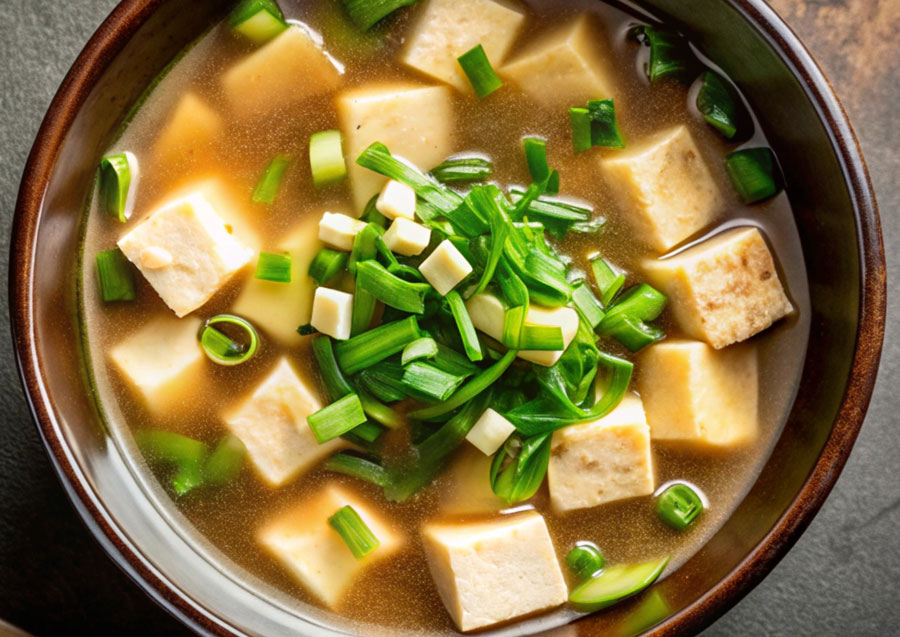

A Simple Recipe for Authentic Flavor
Miso soup is a cornerstone of Japanese cuisine, found on dinner tables from casual family meals to formal gatherings. This soup is more than just a starter—it’s a warm, comforting dish packed with umami and tradition. Making a reliable miso soup at home means capturing the right balance of flavors and textures, and knowing which ingredients bring out the best in this simple yet elegant soup.
This guide will walk you through the essential ingredients, straightforward steps, and easy variations to help you make miso soup that tastes just like the real deal. Whether you’re new to cooking Japanese food or looking to improve your technique, this recipe will give you confidence and tasty results.
Essential Ingredients for Authentic Miso Soup
Miso soup relies on a few core ingredients that come together to create its delicate yet savory taste. Understanding each component’s role will make your cooking smoother and your soup richer.
- Miso Paste: The heart of the soup, miso paste delivers the signature salty, fermented flavor that defines the dish.
- Dashi Stock: A savory broth base made traditionally from dried seaweed and fish flakes, giving miso soup its depth.
- Tofu: Adds a soft, mild texture that balances miso’s saltiness.
- Wakame Seaweed: This rehydrated seaweed adds chewiness and ocean notes.
- Green Onions: Fresh, sharp flavor to brighten the soup’s overall taste.
Miso Paste Varieties and Flavor Profiles

The type of miso you choose affects soup flavor and intensity. Here’s a quick look at common types:
| Miso Type | Color | Fermentation | Flavor Profile | Best Use |
|---|---|---|---|---|
| White Miso | Pale | Short | Sweet, mild, and light | Light soups, quick meals |
| Yellow Miso | Light brown | Medium | Balanced, slightly salty | Everyday miso soup |
| Red Miso | Dark brown | Long | Strong, salty, deep umami | Rich soups, stews, stronger dishes |
For beginners, white or yellow miso offers a gentle introduction. Red miso suits those who prefer a bolder taste.
Dashi Stock Foundations
Dashi is the broth that forms miso soup’s foundation. Traditional dashi combines kombu (dried kelp) and katsuobushi (dried bonito flakes) for a smoky, savory flavor.
- Use about 10 grams of kombu per 4 cups of water.
- Soak kombu in cold water for 30 minutes, then heat slowly without boiling.
- Remove kombu just before boiling, add katsuobushi, simmer a minute, then strain.
For a shortcut, instant dashi packets are a good alternative. They offer convenience without dramatically changing the flavor.
Traditional Add-Ins: Tofu, Wakame, and Green Onions
The classic miso soup texture comes from these simple add-ins:
- Silken tofu: Cut into gentle cubes; it adds creaminess and a delicate mouthfeel.
- Dried wakame: Rehydrate in water for 5 minutes before adding. It’s chewy, salty, and light.
- Green onions: Slice thinly and sprinkle on top at the end for a fresh, crisp contrast.

Each element serves to harmonize the overall flavor and make the soup more satisfying.
Optional Enhancements: Mushrooms, Clams, and Spices
To deepen the flavor or change things up, try adding:
- Shiitake or enoki mushrooms: Cook briefly in the dashi for added umami and texture. (Mushrooms add a special touch to Chicken Casserole. Check out this recipe!)
- Canned clams: For a seafood twist and briny notes.
- Sesame oil or chili flakes: Just a pinch for warmth or nuttiness.
These extras bring personality, especially if you want to serve a soup that stands out.
Step-by-Step Miso Soup Preparation
Timing and temperature matter when cooking miso soup. Here’s a simple process to keep flavors bright and fresh.
Preparing the Dashi Base
- Soak kombu in 4 cups of cold water for 30 minutes.
- Heat the water gently, removing kombu just before it reaches a boil.
- Add katsuobushi flakes, simmer for 1 minute, then strain the broth.
- Keep your dashi warm on low heat; boiling will reduce flavor!
Incorporating Miso Without Overcooking
- Ladle a small amount of warm dashi into a bowl.
- Stir in the miso paste until smooth.
- Return the dissolved miso to the pot and stir gently.
- Heat the soup just enough to warm it; avoid boiling to keep the miso’s delicate flavor intact.
Adding Tofu and Seaweed
- After mixing the miso, add tofu cubes and rehydrated wakame.
- Let them warm for 2–3 minutes, enough to heat without breaking the tofu.
Final Touches and Serving Tips
- Sprinkle sliced green onions on top just before serving.
- Warm your bowls beforehand to keep the soup hot longer.
- A small drizzle of toasted sesame oil adds a nice aroma if desired.

Variations and Dietary Adjustments
Miso soup is easy to customize for different diets and tastes without losing its essence.
Vegetarian and Vegan Options
Skip the katsuobushi for a vegetarian or vegan version. Use kombu-only dashi paired with soy- or chickpea-based miso paste. This keeps the soup rich and full-flavored without fish.
Want to discover more vegetarian delights? Find them here.
Gluten-Free Miso Choices
Look for miso paste labeled gluten-free. Some miso brands use barley or wheat, so check ingredients carefully. Certified gluten-free options are becoming more common and taste just as good.
Low-Sodium Adjustments
Miso and dashi can be salty. If watching sodium intake:
- Dilute dashi with extra water or add more vegetables like mushrooms.
- Use low-sodium miso paste.
- Boost flavor with herbs or a small splash of lemon juice.
This approach makes a soup that still tastes satisfying but is gentler on salt levels.
Making miso soup at home is simple with the right ingredients and method. Start with a basic recipe: prepare dashi, add miso carefully, and finish with tofu, wakame, and green onions. Once comfortable, try the variations to suit your taste or dietary needs.
This soup is a comforting staple anytime you want something warm, light, and flavorful. Give the recipe a try, and share your miso soup creations to inspire others to cook this classic dish at home.