


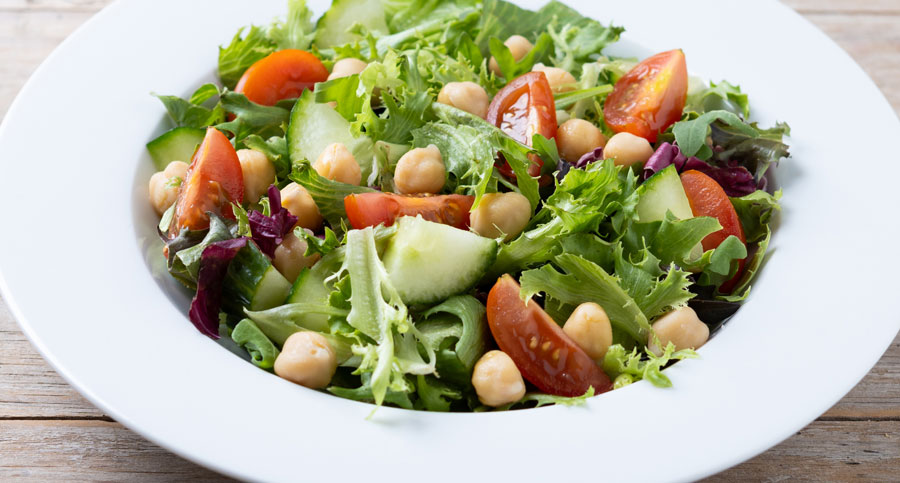

Tips for Fresh Flavor, Balance, and Crunch
Nothing hits quite like a cool garden salad on a warm day. Crisp greens, ripe tomatoes, and a bright vinaigrette wake up the palate and feel light yet satisfying. It is simple comfort, and it is fast.
Great salad starts with fresh ingredients. You want tender greens, firm veggies, and herbs that smell alive. The flavor should feel balanced, with acidity to cut through, a touch of salt, and a bit of richness for body. Texture matters too, so aim for contrast, like soft lettuce with something crunchy.
Keep the assembly simple. Rinse and dry greens well so the dressing clings. Cut everything into bite-size pieces for even flavor in every forkful. Season as you go, then toss gently with a clean, bright dressing. Think extra-virgin olive oil, a good vinegar or lemon juice, and a small pinch of salt and pepper.
This recipe walks through the essentials so you can build your own perfect salad at home. You will learn how to pick greens that stay crisp, add color and crunch without weighing things down, and balance salty, sweet, sour, and bitter so each bite pops. You will also get easy dressing formulas, smart add-ins, and quick fixes for common mistakes. Ready to make a garden salad that tastes as fresh as it looks?
Selecting Fresh Ingredients for a Vibrant Base
Fresh, in-season produce tastes brighter, holds crunch better, and needs less dressing. Shop your local market or pick from your garden for greens and vegetables that were harvested recently. Wash and dry well, keep cuts clean, and you will taste the difference in every bite.

Choosing the Right Greens
Greens set the tone for flavor and texture. Mix a crisp leaf with something tender for a balanced mouthfeel that soaks up dressing without going soggy.
Here is a quick guide to popular choices:
| Green | Texture | Flavor | Best Use |
|---|---|---|---|
| Romaine | Crisp, juicy ribs | Mild, clean | Crunchy base for sturdy salads |
| Spinach | Tender, delicate | Slightly sweet, earthy | Soft contrast with salty add-ins |
| Mixed baby greens | Light, varied | Mild to peppery | Balanced bowls with soft texture |
| Arugula | Tender with bite | Peppery | Add a kick to mild mixes |
- Blend textures: Try 2 cups romaine with 1 cup spinach or baby mix for a snappy yet tender base.
- Go seasonal: Spring baby greens, summer romaine hearts, fall Spinach (This is an essential ingredient for vegetable lasagna. Recommended recipe) taste best when in season.
- Storage for days of freshness: Wash, spin very dry, then layer leaves between paper towels in a lidded container. Keep in the crisper, avoid crushing, and do not dress until serving. Swap towels if damp.
- Why organic (A related alternative is authentic butter chicken.) can taste better: Organic greens avoid synthetic pesticides and often come from soil-focused farms. That care can mean cleaner flavor and less bitterness. If budget is tight, choose organic for the most delicate leaves and buy the rest local and fresh.
Adding Colorful Vegetables and Fruits
Color signals nutrients and variety. Add crisp vegetables for structure, then a small hit of fruit for brightness, not dessert-level sweetness.
- Vegetable staples: Tomatoes, cucumbers, bell peppers, and radishes bring color and snap.
- Seasonal fruit: Berries in spring and summer, apples or pears in fall, citrus in winter. Use ripe fruit for the best aroma.
Smart portions keep the greens in charge:
- For every 3 cups of greens, add about 1 to 1.5 cups mixed vegetables.
- Add 1/4 to 1/2 cup fruit per bowl so sweetness stays in balance.
Quick chopping that boosts flavor and crunch:
- Tomatoes: Wedge or thick-slice, salt lightly, and drain for 5 minutes to prevent watery salads.
- Cucumbers: Halve lengthwise, scoop seeds if watery, slice thin for crisp bites.
- Bell peppers: Slice into thin strips for even crunch in every forkful.
- Radishes: Thinly slice or shave for sharp, peppery lift.
Wash produce in cold water, dry well, and keep cut pieces cold until serving. Dry surfaces help the dressing cling, which means more flavor per bite.
Incorporating Proteins and Crunchy Add-Ins
Protein adds body, and a few crunchy bits make every bite more fun. Keep add-ins supportive, not dominant.
Hearty, flexible protein ideas:
- Grilled chicken or shrimp for clean, savory depth.
- Feta or fresh mozzarella for creamy contrast.
- Hard-boiled eggs for a soft, rich layer.
- Chickpeas or white beans for a plant-based boost.
Crunch and aroma for contrast:
- Nuts: Toasted almonds, walnuts, or pecans for warm crunch.
- Seeds: Pumpkin or sunflower seeds for nut-free texture.
- Croutons: Small, well-toasted cubes that stay crisp.
- Fresh herbs: Parsley, dill, or chives for a bright finish.
Balance makes it work:
- Keep proteins and crunchy add-ins to about 25 to 30 percent of the bowl.
- Season proteins and add-ins lightly before tossing, then use a modest amount of dressing.
Allergy-friendly swaps:
- Nut-free: Use roasted chickpeas or toasted pumpkin seeds instead of nuts.
- Dairy-free: Swap cheese for avocado slices or a tahini drizzle.
- Gluten-free: Use gluten-free croutons, toasted quinoa, or extra seeds.
- Vegetarian: Add marinated beans, tempeh, or extra egg for fullness.
Local, peak-season produce plus crisp prep turns a simple salad into something that tastes restaurant-level at home. Keep it fresh, keep it balanced, and let each ingredient shine.
Mastering Dressings That Tie It All Together
A good dressing wakes up a salad without drowning it. It adds acidity for brightness, salt for focus, and fat for body, so every bite tastes balanced. Homemade beats store-bought for freshness, clean ingredients, and control. Start with a simple ratio, then tune it to your greens, veggies, and add-ins.

Here is the rule of thumb that keeps things crisp, not soggy: dress lightly and toss just before serving. A proper emulsion helps the dressing cling to leaves so the flavor spreads evenly without pooling at the bottom.
- Core ratio for vinaigrette: 3 parts oil to 1 part acid for balanced flavor.
- For more zip: 2 parts oil to 1 part acid, great for hearty greens like romaine.
- For very delicate greens: 4 parts oil to 1 part acid, soft and light.
Taste the dressing on a leaf, not just from the spoon. Greens dilute intensity, so adjust salt, acid, or sweetness after that test.
Simple Vinaigrette Recipes to Start With
Begin with this flexible, no-fuss formula. It makes enough for 4 side salads.
- 6 tablespoons extra-virgin olive oil
- 2 tablespoons balsamic vinegar
- 1 teaspoon Dijon mustard
- 1 small garlic clove, finely grated (optional)
- 1 teaspoon honey or maple syrup (Essential ingredients for unmissable, authentic pancakes) (optional, rounds acidity)
- 1 tablespoon chopped fresh herbs or 1/2 teaspoon dried Italian herbs
- 1/4 to 1/2 teaspoon fine sea salt, to taste
- 1/4 teaspoon black pepper
Instructions:
- In a bowl, whisk vinegar, Dijon, garlic, sweetener, salt, and pepper until smooth.
- Slowly stream in olive oil while whisking. Keep whisking until slightly thick and glossy.
- Stir in herbs. Let it rest for 10 minutes so flavors bloom.
- Taste on a leaf. Add a pinch of salt or a splash of vinegar if needed.
Smart substitutions:
- Use red wine vinegar, apple cider vinegar, or lemon juice for a brighter, lighter profile.
- Swap olive oil for avocado oil if you want a more neutral base.
- Trade Dijon for whole-grain mustard for texture.
Beginner tip: whisk until the dressing looks uniform and clings to a spoon. That emulsion helps the dressing coat greens instead of sliding off and making the salad wet.
Quick adjustment table:
| Dial | Add | Use when |
|---|---|---|
| More acid | 1 teaspoon vinegar or lemon | Salad tastes flat or too oily |
| More body | 1 tablespoon oil | Greens feel sharp or thin |
| More balance | 1/2 teaspoon honey | Tomatoes or citrus make it too tart |
| More savor | Pinch of salt | Flavors feel muted |
Flavor Variations for Every Mood
A few swaps can turn a basic bowl into something that feels restaurant-level. Match the tone of your dressing to the style of your salad.
- Creamy yogurt-herb: 1/4 cup plain Greek yogurt, 2 tablespoons lemon juice, 2 tablespoons olive oil, 1 teaspoon Dijon, 1 tablespoon chopped dill or chives, salt and pepper.
Pair with cucumber, cherry tomatoes, and romaine. Adds tang without heaviness. - Tahini-lemon: 3 tablespoons tahini, 2 tablespoons lemon juice, 2 tablespoons water, 1 tablespoon olive oil, 1 small grated garlic clove, salt, pepper. Whisk until smooth, thin with water if needed.
Pair with Mediterranean veggies, chickpeas, cucumbers, and parsley. Great on sturdy greens. - Sesame-ginger: 2 tablespoons rice vinegar, 1 tablespoon soy sauce or tamari, 1 teaspoon honey, 1 teaspoon grated ginger, 3 tablespoons neutral oil, 1 teaspoon toasted sesame oil.
Pair with shredded cabbage, carrots, snap peas, and scallions. Adds a nutty, bright finish. - Citrus-honey: 2 tablespoons orange juice, 1 tablespoon lemon juice, 1 teaspoon honey, 1/2 teaspoon Dijon, 3 tablespoons olive oil, pinch of salt.
Pair with baby greens, fennel, and sliced strawberries or pear.
Storage and make-ahead tips:
- Vinaigrettes keep 4 to 5 days in a sealed jar in the fridge. Shake before using.
- Yogurt or tahini dressings keep 3 to 4 days. Thin with a splash of water or lemon after chilling.
- If oil firms up in the fridge, let the jar sit at room temp for 10 to 15 minutes, then shake.
Small tweaks change the whole bowl:
- Add citrus zest for aroma without extra acid.
- Mix in a pinch of chili flakes for gentle heat.
- Stir in chopped capers or anchovy for savory depth.
- Finish with fresh herbs to echo what is in the salad.
The right dressing ties your produce, proteins, and crunch into one clear flavor story. Keep it balanced, taste on a leaf, and match light dressings to tender greens and bolder dressings to sturdy mixes.
Assembling and Serving Your Garden Salad Like a Pro
A smart build keeps greens crisp, spreads flavor evenly, and makes the bowl look restaurant-ready. Think structure first, then color and crunch, and dress at the very end. The payoff is a salad that stays lively from the first bite to the last.

Layering Techniques for Maximum Freshness
Build your salad in stages so every ingredient shows up in each bite and nothing wilts before you get to the table.
- Start dry and cold
- Spin greens in a salad spinner until very dry. Damp leaves repel dressing and go soggy.
- Chill bowls or plates for 10 minutes for extra crispness.
- Create a sturdy base
- Place crisp greens at the bottom, then add tender leaves on top.
- Use the largest bowl you have for tossing. Crowding crushes leaves.
- Add structure and color
- Layer evenly chopped vegetables next. Scatter, do not dump in one spot.
- Keep heavier items, like beans or cucumbers, toward the center so they do not sink and bruise tender leaves.
- Place delicate toppings last
- Add soft cheese, avocado, fresh herbs, and nuts right before serving.
- Keep croutons separate until the final toss or add at the table to lock in crunch.
- Dress at the last minute
- Add a small amount of dressing around the bowl, not in one puddle.
- Toss gently with clean hands or wide tongs for even coverage. Add more only if needed.
- Taste a leaf. Adjust with a pinch of salt or a splash of acid if it needs lift.
- Plate with intention
- Family-style: mound the salad high in a wide, shallow bowl for easy sharing. Great for casual meals and cookouts.
- Individual bowls: plate smaller portions with clean edges for dinners or when guests have different preferences.
Helpful tools that make it effortless:
- Salad spinner: dries greens fast, which keeps dressing from sliding off.
- Extra-large mixing bowl: gives space to toss without bruising.
- Tongs or salad servers: light grip, better control.
- Paper towels or clean kitchen towel: blot wet veggies before they hit the bowl.
Timing that keeps things crisp:
- Prep and chill components up to 1 day ahead, store dry and separate.
- Bring dressing to room temp for easy tossing.
- Toss 2 to 5 minutes before serving, then plate right away.
Serving sizes and pairings:
- Side salad: 1.5 to 2 cups per person.
- Main salad: 3 to 4 cups per person, plus protein.
- Pairings that work any night: roast chicken, grilled fish, simple pasta, tomato soup, or pizza. The salad brings brightness and crunch to rich or starchy dishes.
Presentation cues that boost appeal:
- Build height in the center, let leaves fall naturally.
- Aim for color contrast, then finish with a few herb leaves on top.
- Wipe the rim of the bowl for a clean, pro look.
- Sprinkle a tiny pinch of finishing salt right before the table for flavor pop.
Tips to Avoid Common Pitfalls
Small tweaks fix most salad problems. Use these quick checks and simple solutions.
- Over-dressing
- Use less than you think, then add more if needed.
- If you went too far, add more dry greens and toss again.
- Uneven chopping
- Cut vegetables into similar sizes for even bites.
- Slice soft items slightly thicker so they hold shape.
- Bland flavor
- Salt lightly at the end. It wakes up everything.
- Add a squeeze of lemon or a splash of vinegar if it tastes flat.
- Finish with fresh herbs or a small grating of hard cheese for aroma.
- Soggy greens
- Dry leaves well and keep dressing off until serving.
- If greens are wet, blot with a towel before tossing.
- Keep croutons separate until you plate.
- Water pooling at the bottom
- Seed watery vegetables, then pat dry.
- Toss gently so you do not crush ingredients and release water.
- Dull presentation
- Mix textures and arrange with height.
- Save a few pretty pieces for the top, like herb tips or thin radish slices.